Launch a New Range
Define the audience, channel and starter assortment before reviewing product directions.
Ideal for new brands: low-MOQ starter solutionView range framework →Product Sourcing & Range Coordination
EU-market tailored pet product assortment planning — from category strategy, compliance review to sample coordination, one-stop sourcing support for your brand.
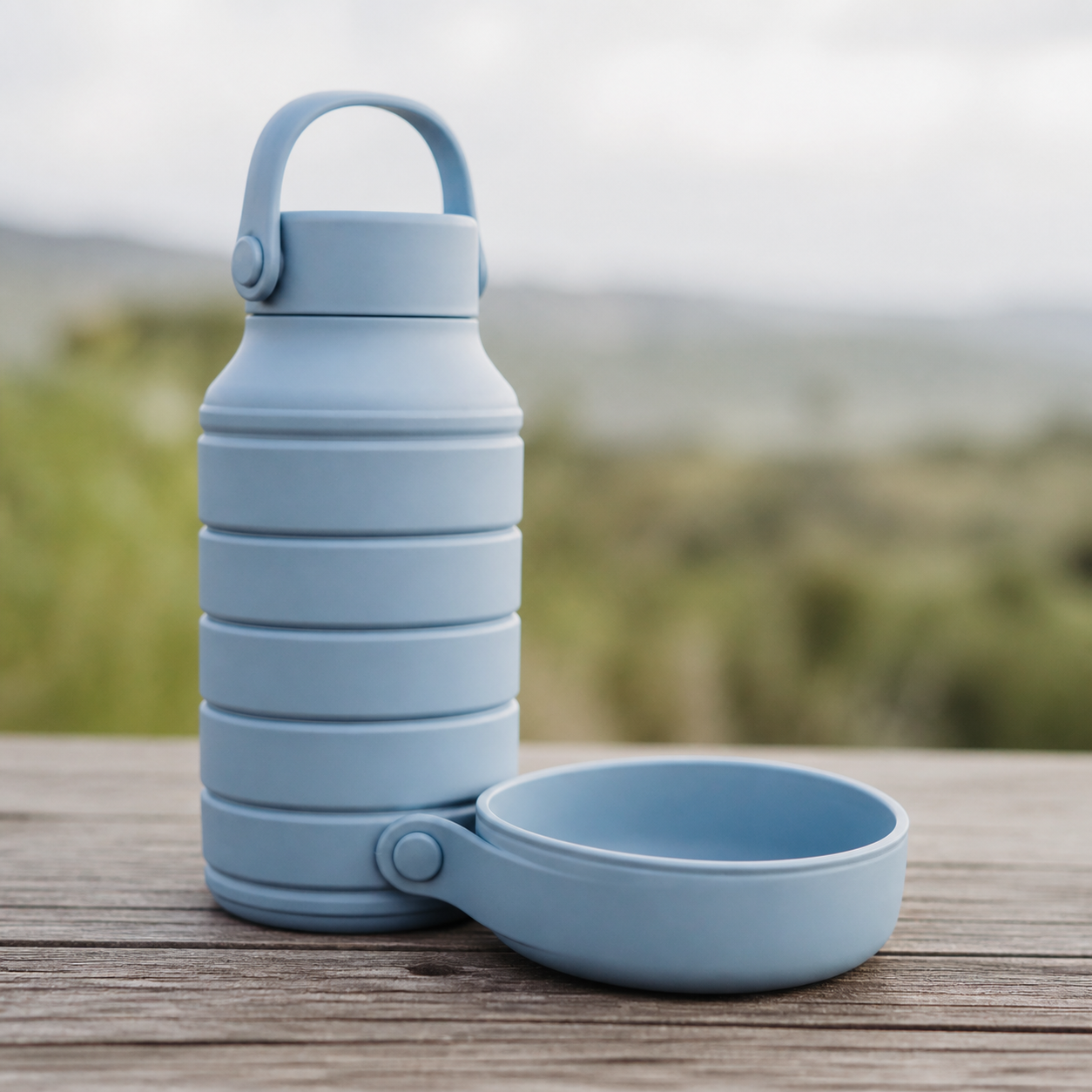
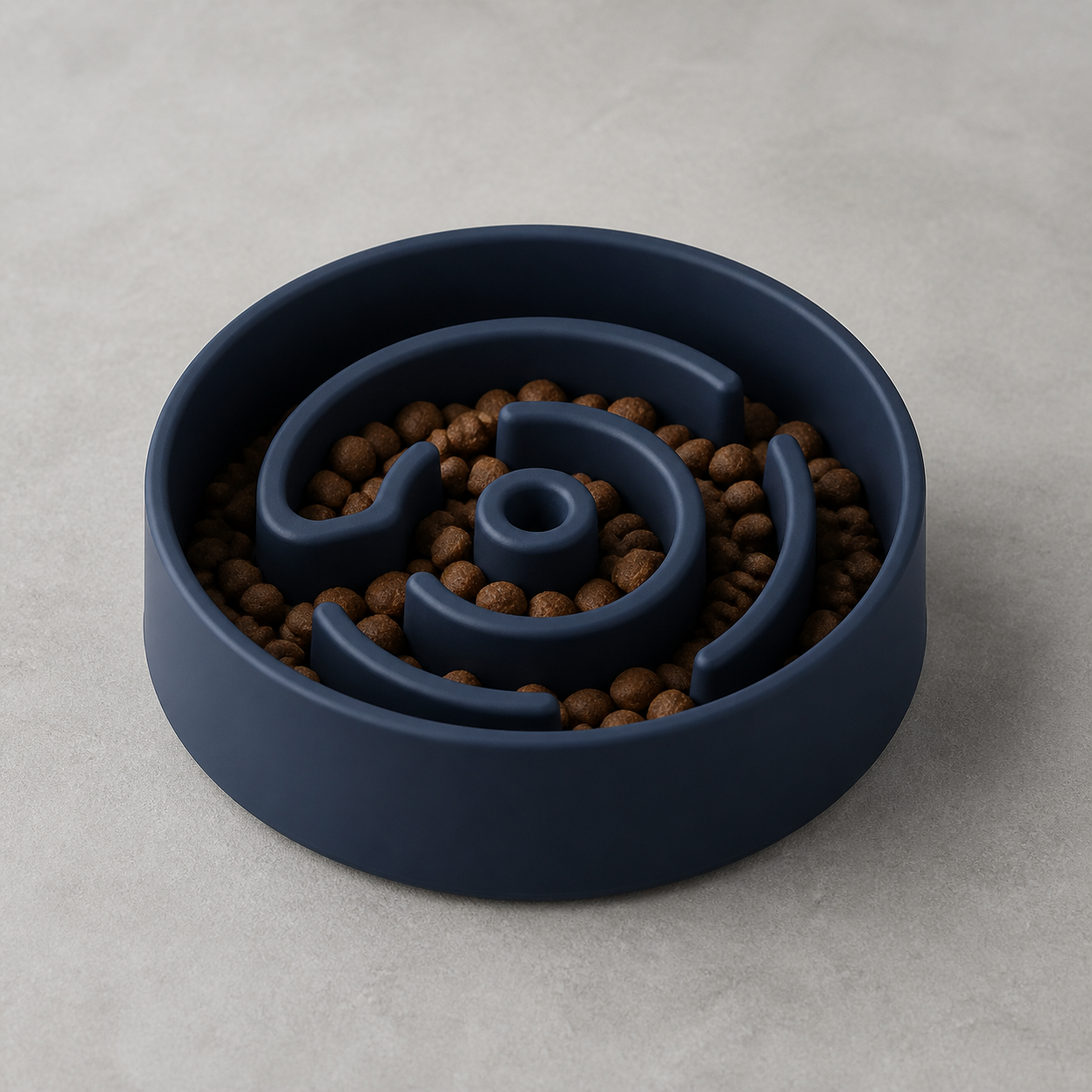
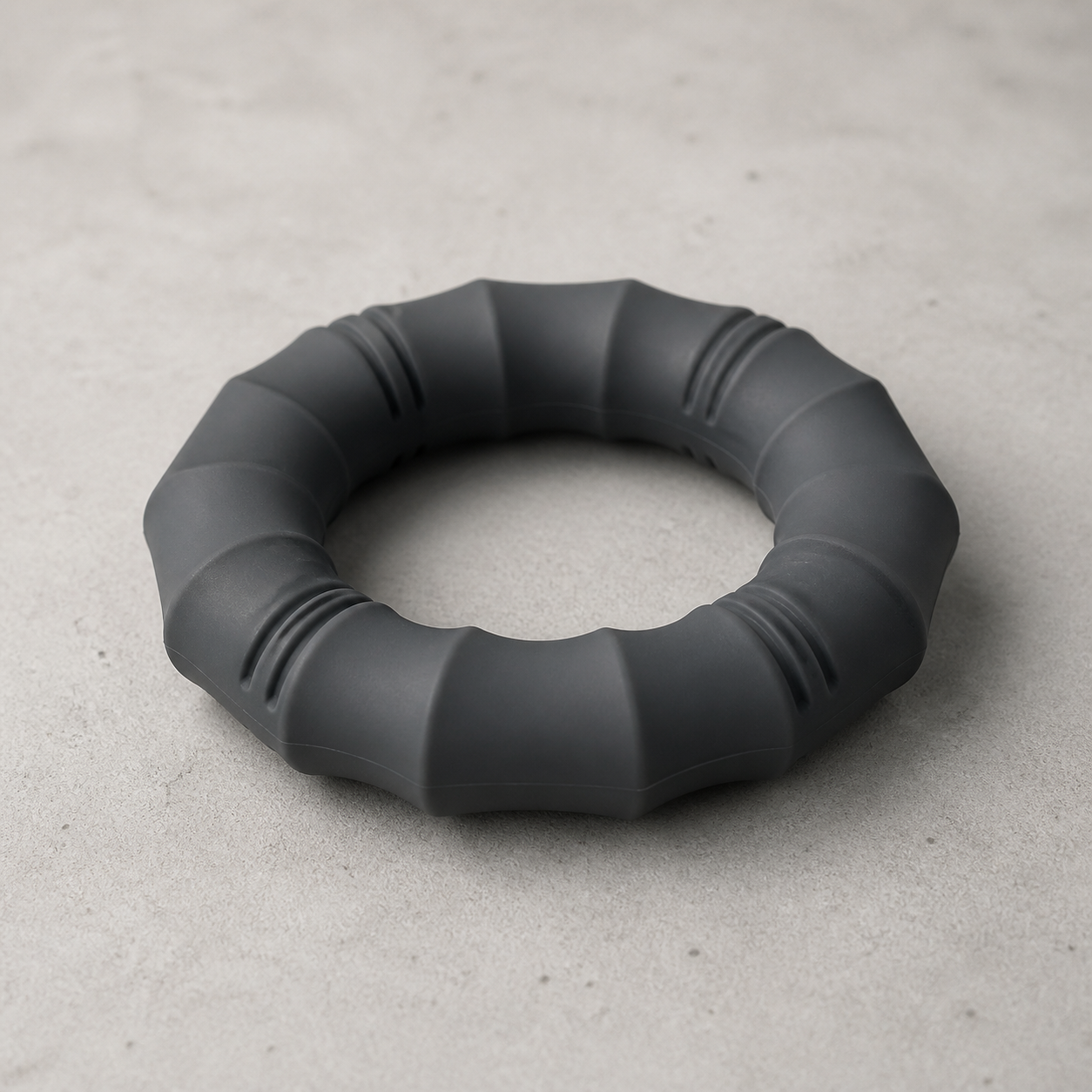
Product availability and compliance are confirmed by product and market.
Start with the buying need
A useful sourcing conversation starts with the commercial situation—not a long, undifferentiated product list.
Define the audience, channel and starter assortment before reviewing product directions.
Ideal for new brands: low-MOQ starter solutionView range framework →Identify assortment gaps and adjacent opportunities without losing category coherence.
Fill category gaps with proven SKUsView range framework →Compare product options against a controlled function, material and market requirement.
Targeted sourcing for exact specificationsView range framework →Organize product, packaging and brand inputs before qualified OEM/ODM handoff.
Full brand customisation supportView range framework →Five product category entry points
Explore the frozen first-level categories, then refine Product Type and specification requirements during review.
Bowls, feeders, hydration and supporting formats organized around feeding use cases.
MOQ from 500pcs · Top-selling category/products/feeding-hydration/→Feeding & Hydration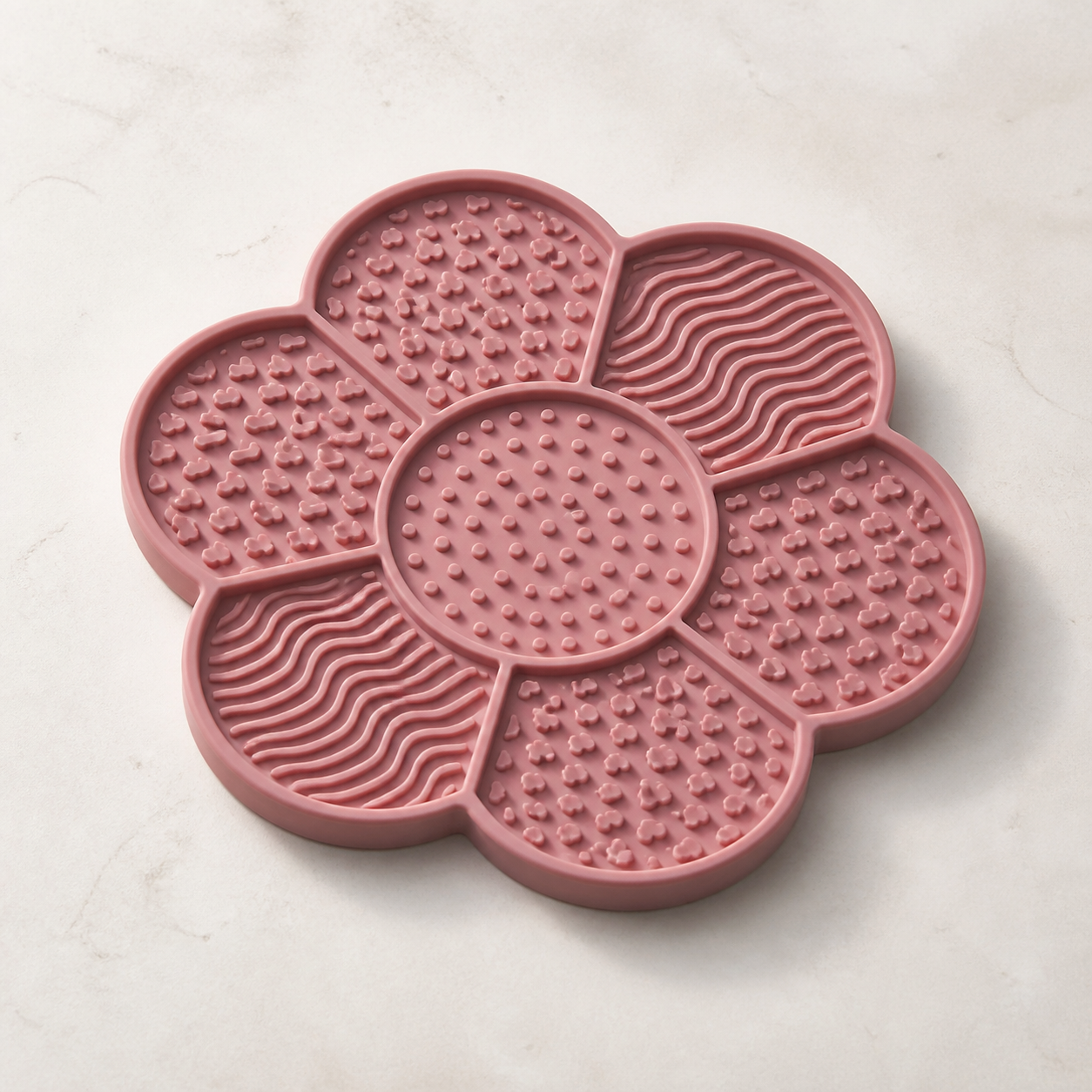
Care, cleaning and grooming directions reviewed by function and handling context.
Care essentials · Multi-format sourcing/products/grooming-care/→Grooming & Care Portable feeding and travel-use products for defined mobility and channel needs.
E-commerce bestsellers · High repurchase rate/products/walking-travel/→Walking & Travel Play and enrichment directions considered by pet, function and material requirement.
High-engagement products · Range differentiation/products/toys-enrichment/→Toys & Enrichment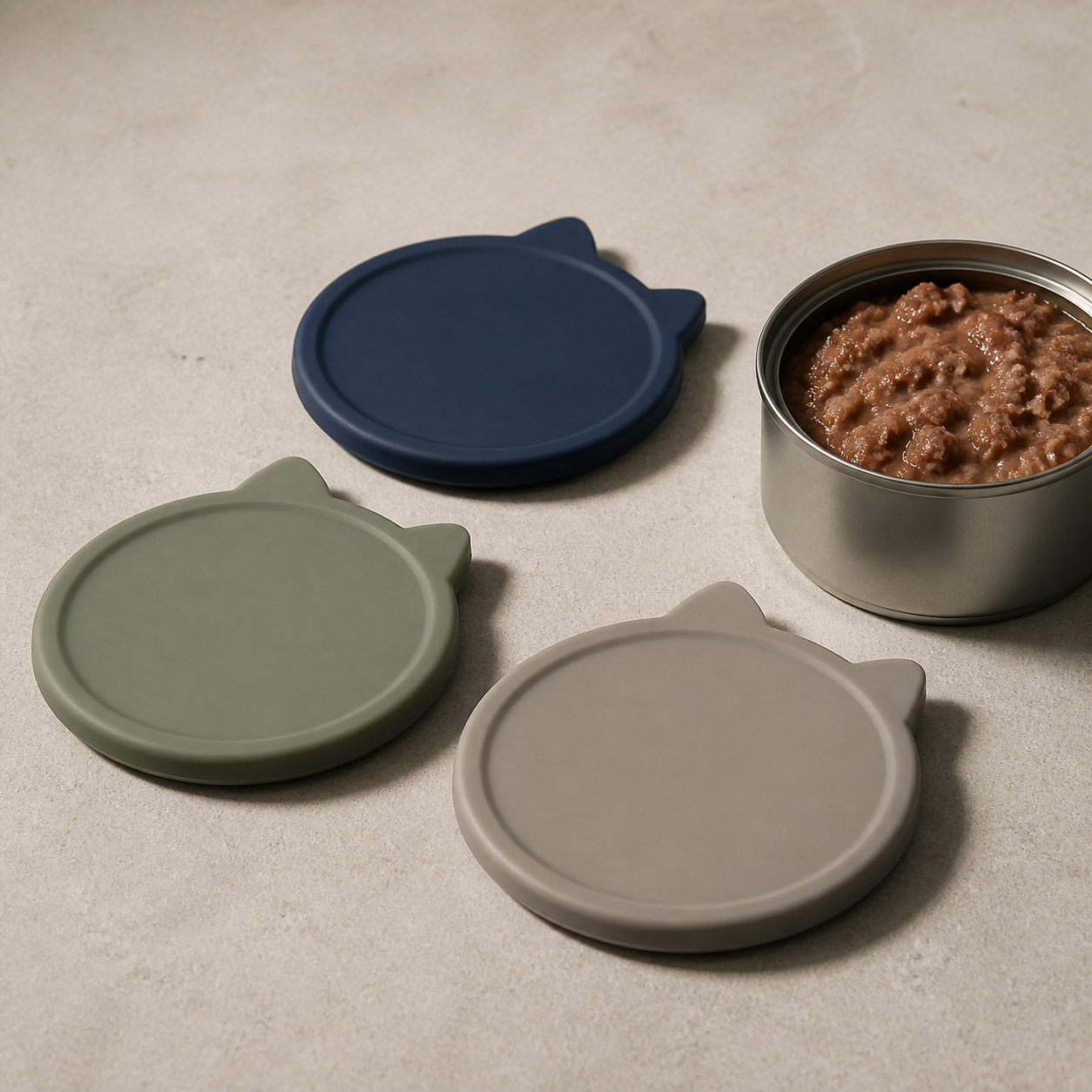
Storage and organization concepts reviewed around product, home and travel context.
Practical add-ons · Cross-category potential/products/storage-organization/→Storage & OrganizationProduct availability, MOQ and final commercial terms remain subject to the selected product and confirmed project scope.
Build your range
Range structure helps a buyer balance entry products, category anchors, differentiation and qualified custom opportunities.
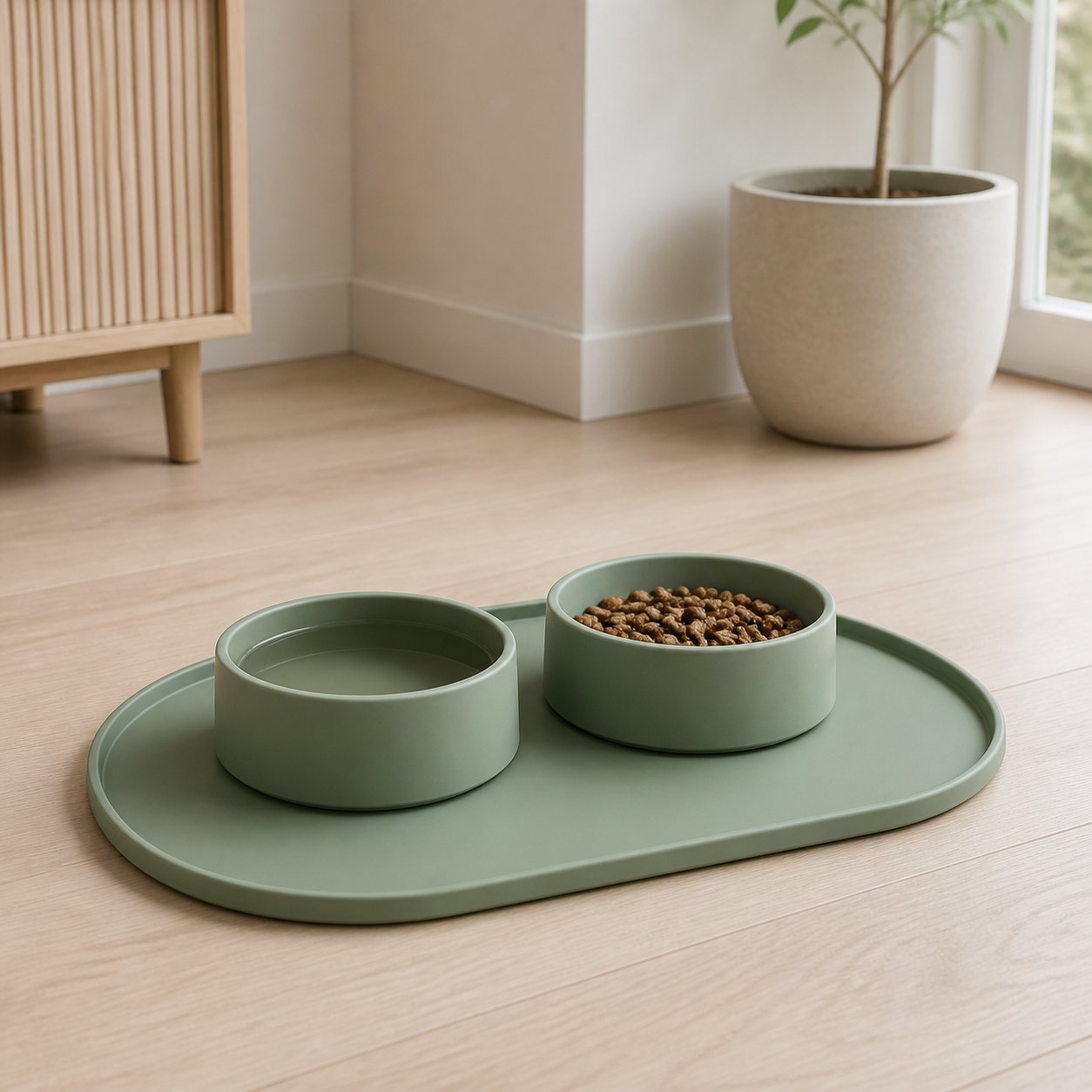
Build enough breadth to review market and channel fit without overstating availability.
3-5 SKUs | Low entry MOQ | Ideal for market testing Identify dependable category anchors around a defined buyer and use case.
6-10 SKUs | Volume pricing | Stable bestsellers Add functional or format variation that creates useful choice within the range.
Unique design | Premium positioning | Higher margin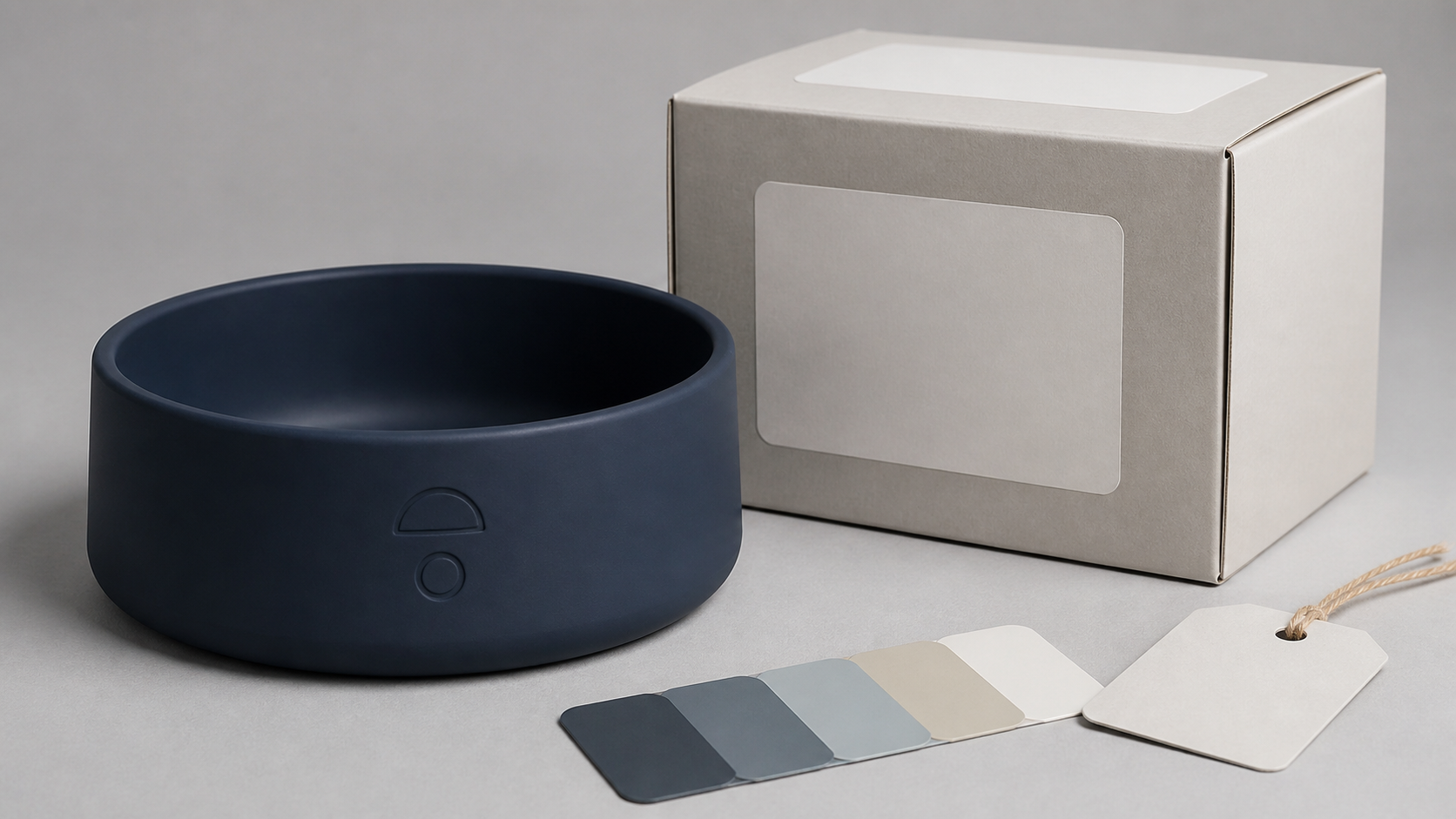
Route qualified specification, packaging and identity opportunities into OEM review.
Full customization | Brand packaging | Exclusive solutionRange architecture is a sourcing framework only. SKU count, availability, MOQ, pricing, sampling, customization and commercial terms remain subject to product and project review.
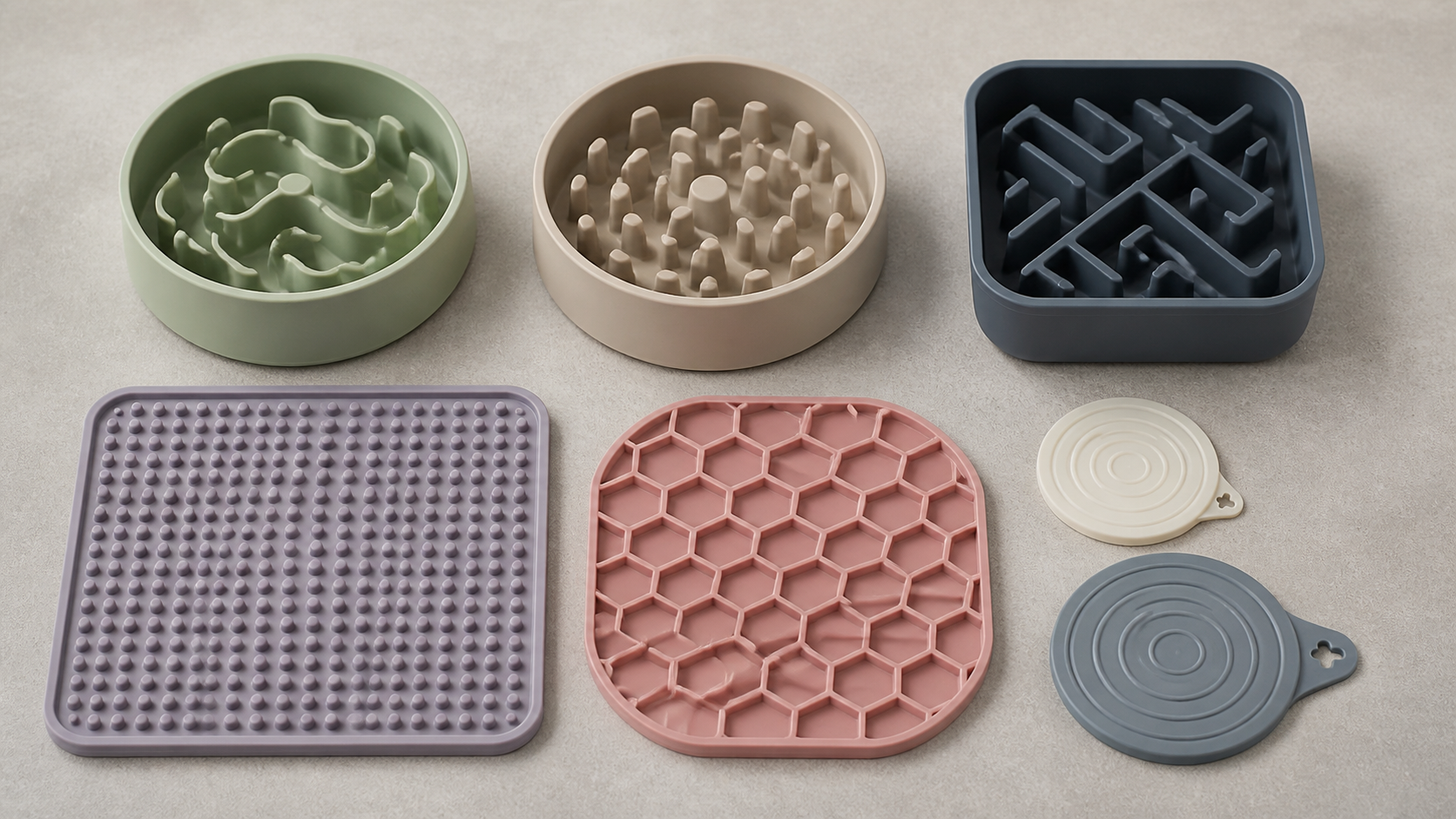
Anonymised case reference
Mid-tier EU Pet Brand | Full Range Sourcing Project
Buyer sourcing workflow
This workflow follows buyer selection and commercial review. Its fine-line timeline is deliberately distinct from the OEM/ODM engineering-development process.
Clarify category, buyer, channel and target-market context.
1-2 working days response
Choose a category and initial function or format direction.
3-5 working days for initial shortlist Compare suitable directions without assuming runtime inventory.
2-3 working days for feedback & revision Align key product variables and project-dependent terms.
3-5 working days for quote & spec finalization
Review applicable samples against the defined brief.
7-15 days sample production + delivery Confirm assortment logic, gaps and required follow-up.
2-3 working days for final sign-off
Move the qualified scope to the appropriate capability team.
15-25 days standard mass production lead timeReference timeline, subject to project scope.
Procurement decision module
Structured inputs make product options easier to review and reduce ambiguity before samples or commercial discussion.
Reference ranges support early-stage comparison; final specifications and commercial terms remain product and project dependent.Define required material context and evidence needs.
Food-grade silicone, LFGB/FDA compliantSet dimensional or use-capacity priorities.
Specification requiredDescribe the buyer problem and intended application.
Bespoke feature design supportSeparate standard selection from qualified custom work.
Logo printing / color custom availableReview only after product and configuration are defined.
From 500pcs per SKU, subject to productCapture format, label and market requirements.
Neutral / private label optionsIdentify intended region, channel and buyer context.
Buyer inputReview applicability by product and target market.
EU REACH, LFGB, BSCI readySourcing support
Support is scoped to the product, evidence, commercial context and responsible handoff—not presented as a universal guarantee.
Structure product directions around buyer positioning, range logic and the stated commercial use case.
Review comparison variables and evidence questions required for the intended product and market.
Coordinate applicable samples through one review sequence after project scope is confirmed.
Prepare defined packaging and identity requirements for qualified development review.
Route a confirmed sourcing direction into the applicable manufacturing review.
Identify applicable documentation questions by product, target market and disclosure scope.
Supplier qualification bridge
Use the dedicated capability pages when a sourcing direction is relevant. These cards do not duplicate their evidence or claims.
Review the production route, capability areas and evidence boundaries relevant to a defined brief.
Review manufacturing →Understand applicable quality checkpoints and the evidence required for buyer review.
Review quality →Continue when product development, private label or controlled customization is required.
Explore OEM/ODM →Sourcing decision information
Commercial and compliance questions are visible early, while remaining explicitly subject to the actual product and project.
Reviewed after product, configuration and packaging scope are defined.
Availability, format and timing require confirmation.
Standard and custom directions follow different qualification paths.
Applicability and evidence must be reviewed for the intended scope.
Reference information only · no MOQ, lead-time or compliance guarantee is represented.
Start with a qualified brief
Prepare the commercial context that helps product, specification and supplier review start efficiently.
Submit your brief, get a tailored range proposal within 2 working days.